
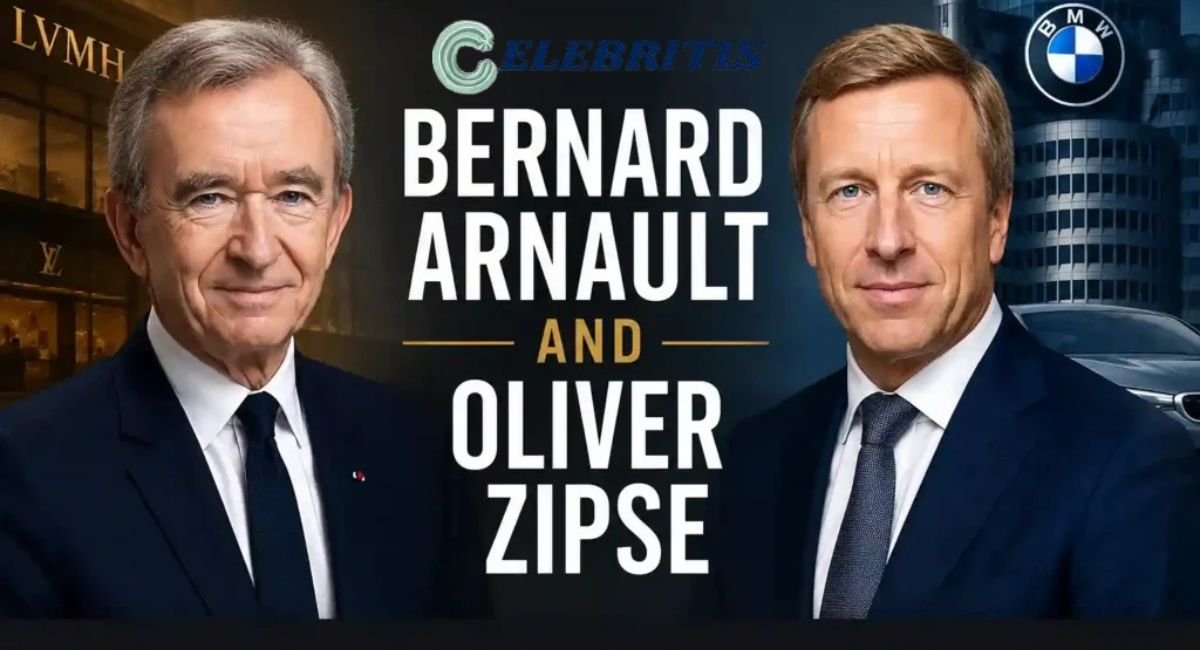
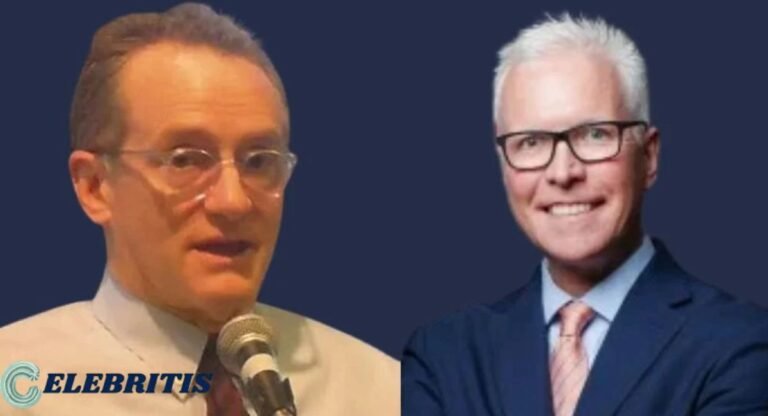
Bernard Arnault and Oliver Zipse stand among Europe’s most influential business leaders. One built the world’s largest luxury group. The other steers a storied German carmaker through deep industry change. Their paths rarely cross in public headlines, yet both show how steady decision-making and clear priorities keep complex companies competitive.
Readers will learn about their backgrounds, leadership approaches, industry challenges, and the shared traits that help large European firms stay relevant. The focus stays on verified career facts and widely reported strategies rather than speculation.
Quick Answer
Bernard Arnault and Oliver Zipse are two of Europe’s top business leaders. Arnault is Chairman and CEO of LVMH (the world’s largest luxury group). Zipse is Chairman of the Board of Management at BMW. Both are known for long-term strategy, technical discipline, and steady leadership in competitive global industries.
Early Paths and Education
Bernard Arnault was born in 1949 in Roubaix, France. He studied civil engineering and mathematics at the École Polytechnique and graduated in 1971. He first worked in his father’s construction and real-estate firm before turning toward luxury. In 1984 he acquired control of the struggling Boussac group, which owned Christian Dior. That move marked the start of a decades-long expansion.
Oliver Zipse was born in 1964 in Heidelberg, Germany. He studied computer science and mathematics at the University of Utah, then earned a mechanical-engineering degree from the Technische Universität Darmstadt in 1991. He later completed an executive MBA through the Kellogg-WHU program. Zipse joined BMW as a trainee the same year he finished his engineering degree and never left the company.
Both men began with technical training. Arnault applied engineering discipline to acquisitions and brand management. Zipse applied it to production systems and product planning. Their educations gave them practical tools rather than pure theory.
Building and Leading Global Companies
Arnault transformed LVMH into a collection of more than 70 brands that include Louis Vuitton, Dior, Tiffany, Moët & Chandon, and Sephora. He gained control after the 1987 merger of Louis Vuitton and Moët Hennessy and steadily added houses through careful purchases. He keeps creative teams independent while holding tight financial oversight. LVMH generates the bulk of its sales outside Europe, so Arnault spends time understanding markets in Asia and the United States.
Zipse became chairman of the BMW board of management in August 2019. He spent his entire career inside the company, moving through development, production planning, plant management in Oxford, and later the production board seat. Under his watch BMW expanded electric and hybrid options while keeping combustion engines available. He promoted a “power of choice” approach so customers could select the powertrain that suited them. Factories were prepared to build both electric and conventional models on the same lines, giving the company flexibility when demand shifted.
Neither leader relies on constant public drama. Arnault rarely grants long interviews and prefers private discussions. Zipse speaks more often about manufacturing and technology but keeps the focus on engineering results rather than personality.
Leadership Styles in Practice
Arnault is known for patient, long-horizon thinking. He has said he looks at brands the way a gardener tends plants—some need time, others need pruning. He places family members in operating roles and has adjusted company rules so he can remain in the top post until age 85. Succession remains an open topic inside and outside the group, yet he continues to set the overall direction.
Zipse emphasizes resilience through flexibility. He has repeatedly stressed that BMW must stay ready for different customer preferences and regulatory environments. During supply-chain disruptions and the shift toward electrification, he avoided locking the company into a single technology path. He also served a term as president of the European Automobile Manufacturers’ Association, giving him a wider industry view.
Both men value continuity. Arnault has kept many maisons under family-style creative control even as the group grew. Zipse rose entirely inside BMW and extended that internal culture. Outsiders often note that each prefers measured change over abrupt turns.
Industry Challenges and Responses
Luxury and premium cars face different pressures yet share some common ones. Rising costs, changing consumer tastes, trade tensions, and sustainability rules affect both sectors. Arnault has guided LVMH through economic cycles by focusing on high-margin products and selective expansion. The group invests heavily in craftsmanship and retail experience while adapting to digital sales channels.
Zipse has steered BMW through pandemic-related shutdowns, semiconductor shortages, and the rapid growth of Chinese electric-vehicle makers. The company expanded production capacity in places such as Mexico and continued research into hydrogen and other options alongside batteries. Circular-economy ideas—reusing materials and designing for longer product life—appear regularly in BMW’s public statements under his leadership.
Neither claims perfect foresight. Market reports show LVMH and BMW results vary with economic conditions and currency moves. Both leaders treat those swings as normal rather than as reasons to abandon core strengths.
Also read: Frank Sinatra and Kendall Jenner: Fame Across Eras
Shared European Business Traits
Bernard Arnault and Oliver Zipse illustrate two sides of European industrial strength. One operates in fashion, leather goods, and spirits. The other works in precision engineering and mobility. Both companies employ tens of thousands of people and contribute significant tax and export revenue to their home countries.
They also face similar questions about the next generation of leadership. Arnault has five children working in different parts of LVMH. Zipse’s contract has been extended toward 2026, after which a successor will take the BMW role. In both cases the companies themselves outlast any single executive.
Their public records show consistent themes: technical grounding, long tenure in their industries, and preference for operational control over short-term publicity. These traits help explain why their firms have remained competitive amid rapid technological and geopolitical change.
Looking Ahead
Luxury demand and premium-vehicle sales will continue to shift with global wealth patterns and regulation. Arnault keeps LVMH focused on craftsmanship and brand desirability. Zipse keeps BMW focused on engineering choice and manufacturing readiness. Observers who study both careers find practical lessons in patience, internal development of talent, and refusal to chase every trend.
The stories of Bernard Arnault and Oliver Zipse remain works in progress. Their decisions today will shape the next decade of European luxury and automotive leadership.
FAQs
Who is Bernard Arnault?
He is the chairman and CEO of LVMH, the largest luxury-goods company in the world.
Who is Oliver Zipse?
He is the chairman of the board of management of BMW Group, a position he has held since 2019.
Do Bernard Arnault and Oliver Zipse work together?
No public records show a formal partnership or joint business project between them.
What industries do they lead?
Arnault leads global luxury goods; Zipse leads premium automobiles and mobility.
Why compare Bernard Arnault and Oliver Zipse?
Both are long-serving European CEOs who emphasize technical discipline, resilience, and steady growth in competitive global markets.
About the Author

1 thought on “Bernard Arnault and Oliver Zipse Leadership Insights”