
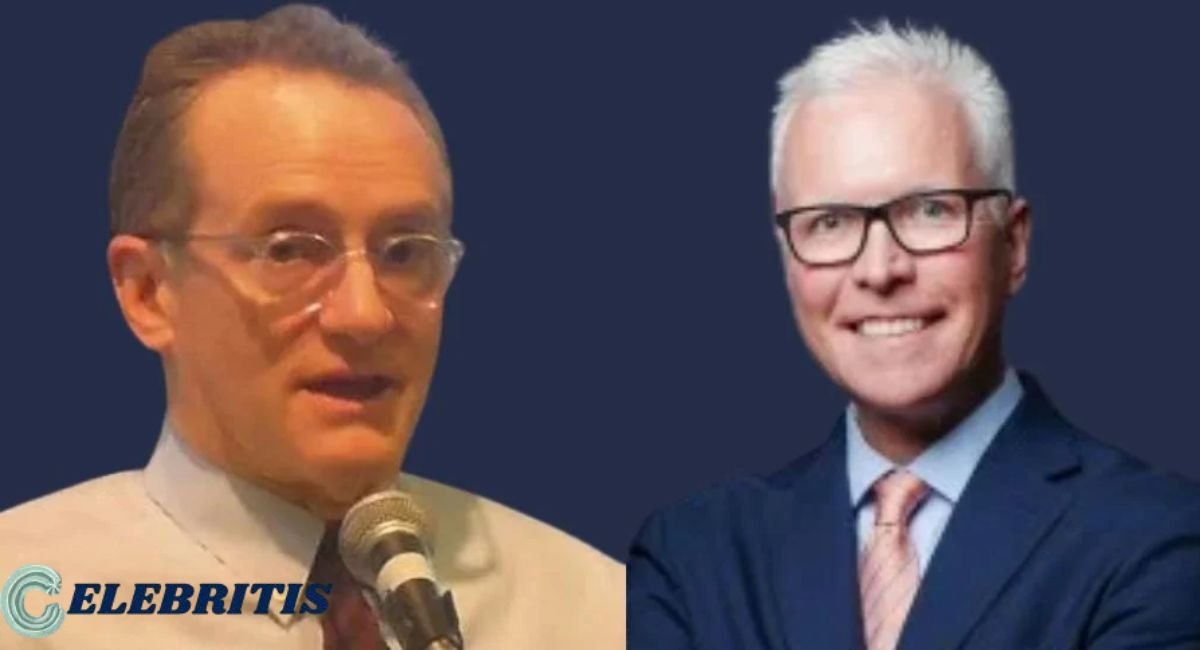
Howard Marks built one of the world’s leading alternative investment firms through disciplined focus on risk and market cycles. Sean Connolly has spent decades guiding high-net-worth families and institutions toward clearer, simpler financial decisions. Though their paths differ—one as a legendary credit investor and memo writer, the other as a Forbes-recognized private advisor—the principles that guide Sean Connolly and Howard Marks overlap in meaningful ways. Readers will gain clear insights into second-level thinking, the importance of price over quality, and how professional advisors apply similar ideas when serving clients.
Sean Connolly and Howard Marks both champion disciplined, risk-aware investing. Howard Marks (Oaktree Capital co-founder) is famous for his memos on market cycles, second-level thinking, and the idea that “it’s not what you buy, it’s what you pay.” Sean Connolly, a Forbes-recognized private advisor at Rockefeller Capital Management, applies similar principles by simplifying complex wealth situations for high-net-worth families and institutions.
Who Is Howard Marks?
Howard Marks co-founded Oaktree Capital Management in 1995 with Bruce Karsh and three partners after years at Citicorp and TCW. Oaktree grew into a major player in distressed debt, high-yield bonds, and related strategies. Marks has long emphasized that successful investing rests less on predicting the future and more on understanding risk and positioning for it.
His client memos, freely available on the Oaktree site, have earned wide respect. Warren Buffett has said he opens Marks’s memos first. Marks expanded his ideas in books including The Most Important Thing and Mastering the Market Cycle. He stresses that cycles are inevitable because human emotion swings between greed and fear. Investors who recognize where they stand in a cycle improve their odds.
Marks repeatedly returns to a core distinction: it is not what you buy that matters most, but what you pay. Buying good assets at high prices can produce poor results. Buying average assets at attractive prices can produce strong ones. This price discipline, paired with respect for risk, forms the foundation of his approach.
Sean Connolly’s Path in Wealth Advisory
Sean P. Connolly serves as a Private Advisor and Managing Director with the Jones Connolly Pollock Group at Rockefeller Capital Management. He previously spent nearly two decades at Merrill Lynch. Recognized on Forbes “Best in State Wealth Advisor” lists in multiple years and on team rankings later, Connolly works with C-suite executives, entrepreneurs, wealthy families, nonprofits, and institutions.
His practice centers on reducing complexity. Clients often face concentrated stock positions, multi-generational planning needs, cash-flow questions, and governance issues. Connolly and his team address these through cash-flow planning, concentrated-stock strategies, pre- and post-transaction planning, trust and estate work, and generational education. The goal is practical clarity rather than complexity for its own sake.
Connolly has lived in Winter Park, Florida, for decades with his family and remains active in local education and community organizations. His career reflects steady client service rather than high-profile fund management.
Shared Emphasis on Risk and Discipline
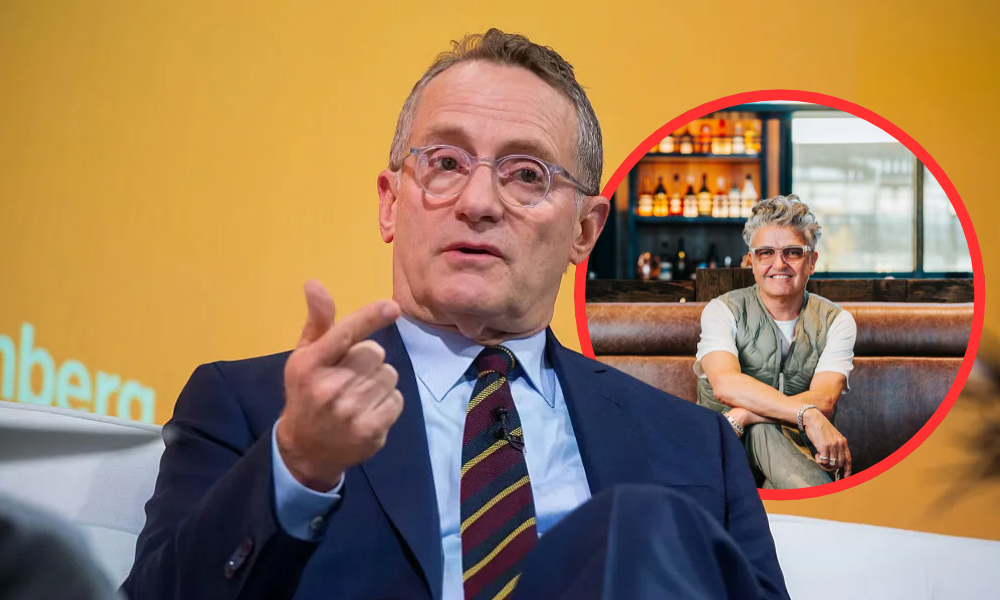
Sean Connolly and Howard Marks both treat risk as something to understand rather than ignore. Marks argues that the biggest investment mistakes come from failing to recognize or respect risk. He distinguishes between volatility and permanent loss of capital. True risk management means positioning portfolios so that adverse outcomes remain survivable.
Wealth advisors like Connolly apply parallel thinking at the household and institutional level. Concentrated positions, liquidity needs, tax consequences, and family dynamics all create risk. Simplifying structures, setting clear investment policies, and educating the next generation reduce the chance that emotional or logistical problems destroy wealth. Both men favor preparation over prediction.
Marks has written extensively about the limits of forecasting. He prefers to assess the present environment and adjust aggressiveness accordingly. Advisors serving families often do the same: they cannot control markets, but they can control portfolio design, spending rates, and contingency plans.
Second-Level Thinking in Practice
Marks popularized the idea of second-level thinking. First-level thinking stops at the obvious: “This company is good, so buy the stock.” Second-level thinking asks what the consensus already prices in and where the consensus might be wrong. Superior results usually require seeing further or differently.
In client work, second-level thinking appears when an advisor questions whether a popular strategy truly fits a family’s specific goals, time horizon, and risk tolerance. It shows up when evaluating a concentrated stock position: the first-level view celebrates the gain; the second-level view considers concentration risk, tax costs of diversification, and the client’s overall balance sheet. Connolly’s focus on simplifying complex situations for affluent clients aligns with this deeper examination.
Market Cycles and Client Behavior
Marks’s book Mastering the Market Cycle explains that cycles arise from excesses and their corrections. Investor psychology amplifies them. When prices rise, optimism grows, risk tolerance expands, and caution declines. The reverse happens in downturns.
Advisors who understand cycles help clients avoid the classic mistakes of buying high and selling low. They set expectations in advance, maintain appropriate liquidity, and resist pressure to chase recent winners. Sean Connolly’s emphasis on long-term planning and generational education supports this steadier approach. Families that understand cycles are less likely to abandon sound plans during volatile periods.
Also read: Lizette Salas Net Worth: LPGA Career Earnings
Practical Takeaways for Investors and Advisors
Several clear lessons emerge when examining the work of Sean Connolly and Howard Marks side by side:
- Price matters more than narrative. Attractive entry points improve outcomes more reliably than stories about superior businesses or strategies.
- Risk awareness protects capital. Both permanent loss and avoidable complexity can damage wealth.
- Cycles are inevitable. Positioning for them beats trying to time exact turning points.
- Clarity reduces error. Complicated structures and opaque strategies often hide risk. Simpler frameworks support better decisions.
- Relationships and process compound. Marks’s long partnership with Bruce Karsh and Connolly’s team-based client service both illustrate the value of complementary skills and consistent process.
These ideas remain useful whether an investor manages personal capital or an advisor guides families and institutions.

Why These Perspectives Matter Now
Markets continue to cycle. New technologies, shifting interest-rate regimes, and changing liquidity conditions create fresh opportunities and risks. Marks’s recent memos have examined topics such as artificial intelligence with characteristic caution, stressing uncertainty and the difficulty of forecasting complex outcomes. Advisors working with real clients face the practical version of the same problem: how to allocate capital when the future is unclear and emotions run high.
The combination of rigorous risk thinking and client-centered simplification offers a durable response. Investors who absorb Marks’s emphasis on price and cycles, and who work with advisors who prioritize clarity and long-term planning, improve their chances of lasting results.
Sean Connolly and Howard Marks operate in different arenas—one focused on alternative credit and public communication of investment philosophy, the other on private wealth guidance for families and institutions. Their shared commitment to disciplined thinking, respect for risk, and practical clarity provides useful guidance for anyone serious about building and preserving wealth over time.
FAQs
What is Howard Marks best known for?
Howard Marks is best known as co-founder of Oaktree Capital Management and author of insightful investor memos and books on risk and market cycles.
Who is Sean Connolly in the finance world?
Sean Connolly is a Private Advisor and Managing Director at Rockefeller Capital Management, previously with Merrill Lynch, recognized for guiding high-net-worth clients.
Do Sean Connolly and Howard Marks work together?
No public record shows a direct professional partnership between them; the connection lies in shared principles of disciplined investing and risk awareness.
What is the main lesson from Howard Marks’s books?
The central lesson is that successful investing depends more on what you pay and how you manage risk than on predicting the future or buying “good” assets at any price.
How can investors apply these ideas today?
Focus on attractive entry prices, understand current market conditions relative to historical cycles, reduce unnecessary complexity, and maintain a long-term process that survives volatility.
About the Author





1 thought on “Sean Connolly and Howard Marks: Investing Wisdom Shared”