
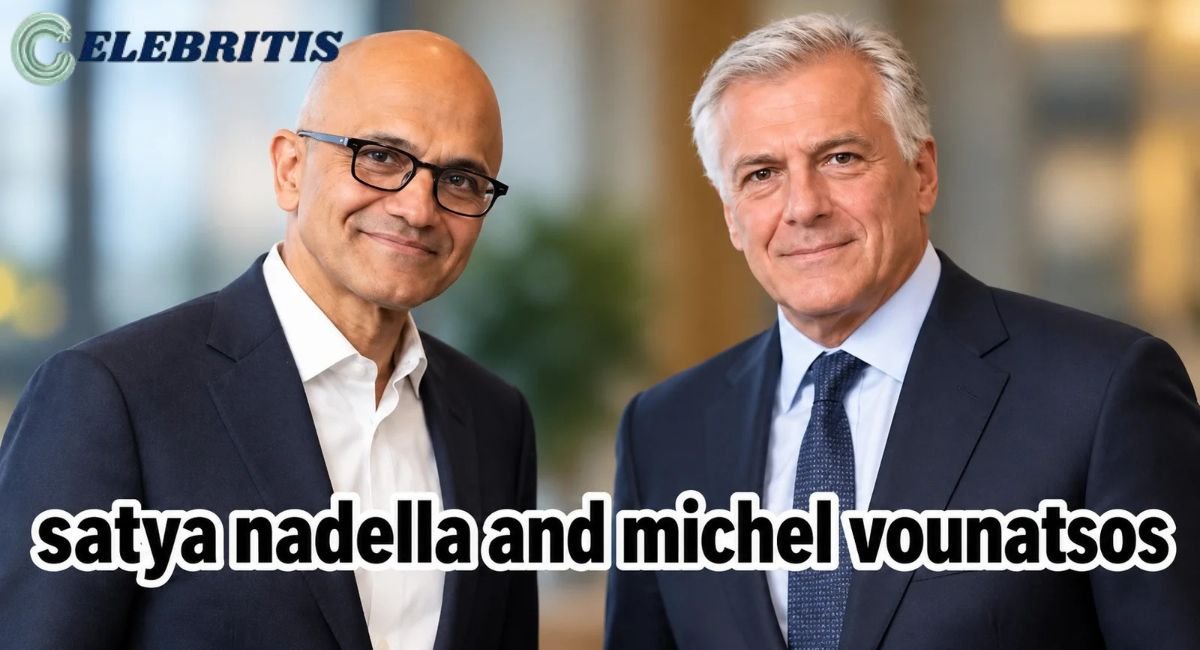
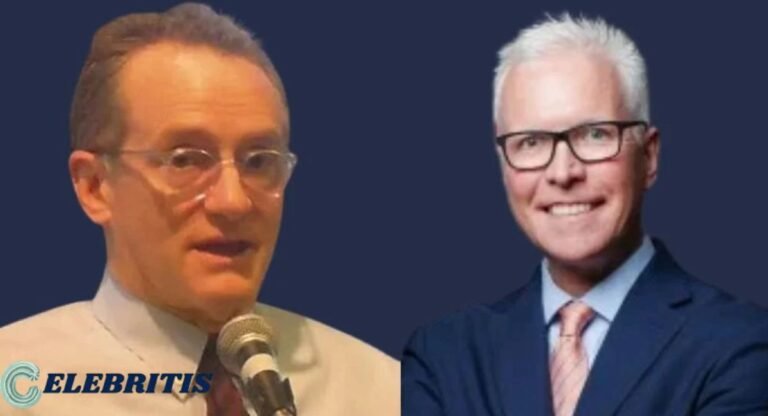
Satya Nadella and Michel Vounatsos represent two distinct yet parallel stories of corporate transformation. Nadella, the longtime chairman and CEO of Microsoft, steered one of the world’s largest technology companies into the cloud and artificial intelligence eras. Vounatsos, the former CEO of Biogen, guided a major biotechnology firm through commercial growth and pipeline challenges in neuroscience.
Readers will find clear profiles of each leader, their major decisions, leadership approaches, and practical takeaways that apply beyond tech or biotech. The focus stays on verified career facts and widely reported outcomes rather than speculation.
Quick Answer: Satya Nadella is the Chairman and CEO of Microsoft who transformed the company with cloud and AI. Michel Vounatsos is the former CEO of Biogen who led its commercial growth in neuroscience therapies.
Who Is Satya Nadella?
Satya Nadella was born in Hyderabad, India, in 1967. He earned an engineering degree in India, a master’s in computer science in the United States, and an MBA from the University of Chicago. He joined Microsoft in 1992 and spent more than two decades rising through engineering and business roles.
In February 2014, the board named him CEO, succeeding Steve Ballmer. Nadella shifted Microsoft’s culture toward growth mindset principles and customer focus. He accelerated the company’s move into cloud computing with Azure and later placed heavy bets on artificial intelligence, including a deep partnership with OpenAI.
Under his leadership, Microsoft expanded through acquisitions such as LinkedIn and GitHub while rebuilding relevance in enterprise software and developer tools. He has also served as chairman since 2021. Public comments and company reports consistently credit his emphasis on empathy, continuous learning, and platform thinking for Microsoft’s sustained performance.
Who Is Michel Vounatsos?
Michel Vounatsos is a French executive of Greek heritage who spent much of his early life in Morocco. He holds a certificate in medicine and an MBA from HEC Paris. He built a 20-year career at Merck, holding commercial leadership roles across Europe, China, and the United States, including president of the primary care business.
Biogen appointed him executive vice president and chief commercial officer in 2016. In early 2017 he became CEO and a board member, succeeding George Scangos. During his tenure he focused on expanding the multiple sclerosis franchise, launching Spinraza for spinal muscular atrophy, and advancing the Alzheimer’s candidate aducanumab.
Vounatsos left Biogen in late 2022. Since then he has joined boards of companies such as Revvity and Zai Lab and taken advisory roles in biotech and AI-related healthcare ventures. His background combines commercial execution with experience navigating regulated global markets.
Leadership Styles Compared
Both executives emphasize practical results over pure vision statements. Nadella repeatedly describes Microsoft’s mission as empowering every person and organization to achieve more. He promotes a growth mindset that encourages experimentation and learning from failure. Public interviews and internal communications show him prioritizing culture change alongside product strategy.
Vounatsos brought a commercial operator’s discipline to Biogen. He stressed clear near-term priorities: growing existing franchises, securing regulatory approvals, and investing in the neuroscience pipeline. Analysts and company statements during his time noted his focus on execution and geographic expansion.
The two share an international perspective. Nadella’s Indian roots and American career path inform Microsoft’s global cloud strategy. Vounatsos’s experience across continents shaped Biogen’s approach to markets in Europe, Asia, and the United States. Neither is portrayed as a flamboyant founder-style leader; both rose through large organizations and applied operational rigor.
Also read: Bernard Arnault and Oliver Zipse Leadership Insights
Key Achievements and Challenges
Nadella’s record includes the rapid expansion of Azure into a major cloud platform and the integration of AI tools across Microsoft 365 and developer products. Market observers widely link Microsoft’s market-value growth during his tenure to these shifts. Challenges have included competition in AI infrastructure, cybersecurity incidents, and the complexities of the OpenAI relationship.
At Biogen, Vounatsos oversaw the commercial success of Spinraza and efforts to diversify beyond multiple sclerosis. The company faced high-profile setbacks with Alzheimer’s research and pressure to deliver new growth drivers. His departure followed a period of strategic review common in the biotech sector after major product cycles.
Financial figures for both companies fluctuate with market conditions and product timelines. Exact net-worth estimates for the individuals vary by source and reporting date; public filings provide the most reliable compensation data rather than unofficial wealth rankings.
Lessons for Business Leaders
Several practical insights emerge from studying Satya Nadella and Michel Vounatsos side by side.
- Culture and commercial discipline both matter. Nadella showed that shifting mindset can unlock product innovation. Vounatsos demonstrated that strong commercial leadership can maximize the value of scientific assets.
- Global experience helps when markets and regulations differ sharply. Both men operated successfully across regions with distinct healthcare and technology rules.
- Succession and timing influence outcomes. Nadella took over a mature software giant ready for reinvention. Vounatsos inherited a biotech company at a critical product-transition stage.
- Partnerships accelerate progress. Microsoft’s cloud and AI alliances and Biogen’s collaborations with research partners illustrate the value of selective external relationships.
These points remain relevant for executives facing digital transformation, pipeline risk, or cultural inertia.
Broader Industry Context
Technology and biotechnology increasingly intersect. Cloud platforms, AI modeling, and data analytics now support drug discovery and clinical research. Microsoft has expanded its healthcare and life-sciences offerings, while biotech firms rely more heavily on scalable computing. Leaders who understand both commercial execution and platform power hold an advantage.
Nadella continues to steer Microsoft through the AI era with public emphasis on responsible development and customer value. Vounatsos applies his experience on boards and in advisory capacities, contributing commercial insight to newer ventures. Their careers illustrate how different industries still reward clear priorities, disciplined execution, and the ability to adapt.
FAQs
What companies did Satya Nadella and Michel Vounatsos lead as CEO?
Nadella has led Microsoft since 2014; Vounatsos led Biogen from 2017 to 2022.
Did Satya Nadella and Michel Vounatsos ever work together directly?
No widely reported direct collaboration or joint projects link the two executives.
What is Michel Vounatsos best known for at Biogen?
He is known for commercial leadership of the multiple sclerosis portfolio and the launch of Spinraza for spinal muscular atrophy.
How did Satya Nadella change Microsoft’s direction?
He accelerated the shift to cloud computing with Azure and positioned the company as a major player in artificial intelligence.
What leadership quality do both executives emphasize?
Both prioritize practical execution—Nadella through culture and platform strategy, Vounatsos through commercial focus and operational clarity.
The stories of Satya Nadella and Michel Vounatsos offer useful reference points for anyone studying how large organizations reinvent themselves. Their records show that sustained results come from matching strategy to the specific demands of the industry and the moment.
About the Author

1 thought on “Satya Nadella and Michel Vounatsos: Leadership Lessons”